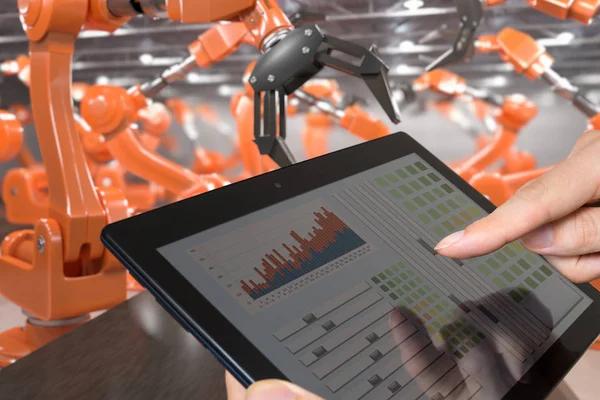
Augmented alicetheapp.com Reality (AR) has increasingly become a transformative force in everyday business, reshaping how companies operate, engage with customers, and enhance productivity. Unlike greycupstreams.com virtual reality, which immerses users in a completely digital zerlearn.com environment, AR overlays digital information onto the real world, providing an interactive experience that blends physical and virtual elements seamlessly. This technology is no longer confined to gaming or entertainment; it has found practical applications across various industries, driving innovation and efficiency. One of the most significant impacts of AR in business is its ability to improve customer engagement and satisfaction. Retailers are leveraging AR to create immersive shopping experiences that allow customers to visualize products before making a purchase. For instance, furniture stores use AR apps enabling shoppers to see how a sofa or table would look in their living room through their smartphone cameras. This reduces uncertainty and increases confidence in buying decisions while minimizing returns due to mismatched expectations. In manufacturing and maintenance sectors, AR enhances workforce training and operational efficiency by providing real-time guidance on complex tasks. Technicians equipped with AR glasses can view step-by-step instructions overlaid on machinery components during repairs or assembly processes without needing to consult manuals physically. This hands-free approach not only speeds up workflows but also reduces errors and downtime. Marketing strategies have also evolved with the integration of augmented reality. Businesses are creating interactive advertisements where consumers can scan QR codes or images using smartphones to unlock engaging content such as 3D models, videos, or games related to the product. These campaigns foster deeper brand connections by offering memorable experiences rather than passive consumption vsquaresoftwares.com of traditional ads. Furthermore, remote collaboration has been revolutionized through AR tools that enable teams spread across different locations to work together more effectively. Virtual annotations on shared visual fields help clarify ideas during design reviews or project planning sessions without requiring physical presence at the same site. Supply chain management benefits from augmented reality as well; warehouse workers utilize smart glasses displaying picking lists directly within their line of sight along with optimal routing paths inside large storage facilities-this streamlines order fulfillment processes significantly. Despite these advantages, businesses must address challenges like high initial costs for hardware development and integration complexities when adopting augmented reality solutions fully into existing systems. Privacy concerns regarding data collected via AR devices also require careful consideration. In conclusion, augmented reality is becoming an indispensable tool for modern businesses seeking competitive advantage by enhancing customer interactions, optimizing internal operations, enriching marketing efforts, facilitating collaboration among employees remotely while improving supply chain logistics-all contributing toward bigrocwaterproofing.com smarter workplaces designed for future growth opportunities. As technology advances further accessibility will increase making it even more prevalent across diverse commercial landscapes worldwide.
Augmented Reality in Everyday Business